

Welcome to a revealing look inside the world of federal correctional institution s, particularly those that fall under the classification of low-security prisons. These facilities, also known as low-security federal prisons, house a specific segment of the inmate population deemed suitable for a less restrictive setting compared to higher security levels. Despite the term 'prison' evoking images of confinement and loss of freedom, low-security facilities offer a different perspective on life behind bars, focusing more on rehabilitation and reintegration. By understanding what low-security prisons are like and gaining insight into specific institutions, we can paint a clearer picture of the daily realities faced by both inmates and staff within these environments.
Life at a Low Security Federal Prison
Life at a low security federal prison is generally less restrictive compared to higher security facilities. Inmates at these institutions typically have more freedom of movement within the grounds, as well as more opportunities for educational and vocational programs to help with their rehabilitation.
Low security federal prisons prioritize preparing inmates for reentry into society. This often includes job training, substance abuse counseling, and other programs aimed at reducing recidivism. The atmosphere within these facilities is often more relaxed, with inmates given more autonomy to participate in various activities.
Some examples of low security federal prisons in the United States include FCI Petersburg in Virginia, FCI Butner in North Carolina, and FCI Lompoc in California. These institutions house non-violent offenders nearing the end of their sentences, providing a more open environment conducive to successful reintegration into society.
Facilities and Amenities
Federal correctional institutions provide a range of facilities and amenities to meet the basic needs of inmates. These may include dormitory-style housing units, communal dining areas, outdoor recreational spaces, and access to educational and vocational programs. Inmates at low security federal prisons often have more freedom of movement within the facility compared to higher security institutions.
Living conditions at low security federal prisons are generally more comfortable than higher security facilities. Inmates may have access to recreational activities such as sports fields, libraries, and hobby workshops. Some low security prisons also offer counseling services to help inmates with personal development and prepare them for reintegration into society upon release.
Each low security federal prison may have its own set of amenities and services available to inmates. Examples of low security federal prisons include the Federal Correctional Institution in Dublin, California, and the Federal Correctional Institution in Butner, North Carolina. These facilities aim to provide a structured and supportive environment for inmates while also focusing on rehabilitation and reentry preparation.
List of Low Security Federal Prisons
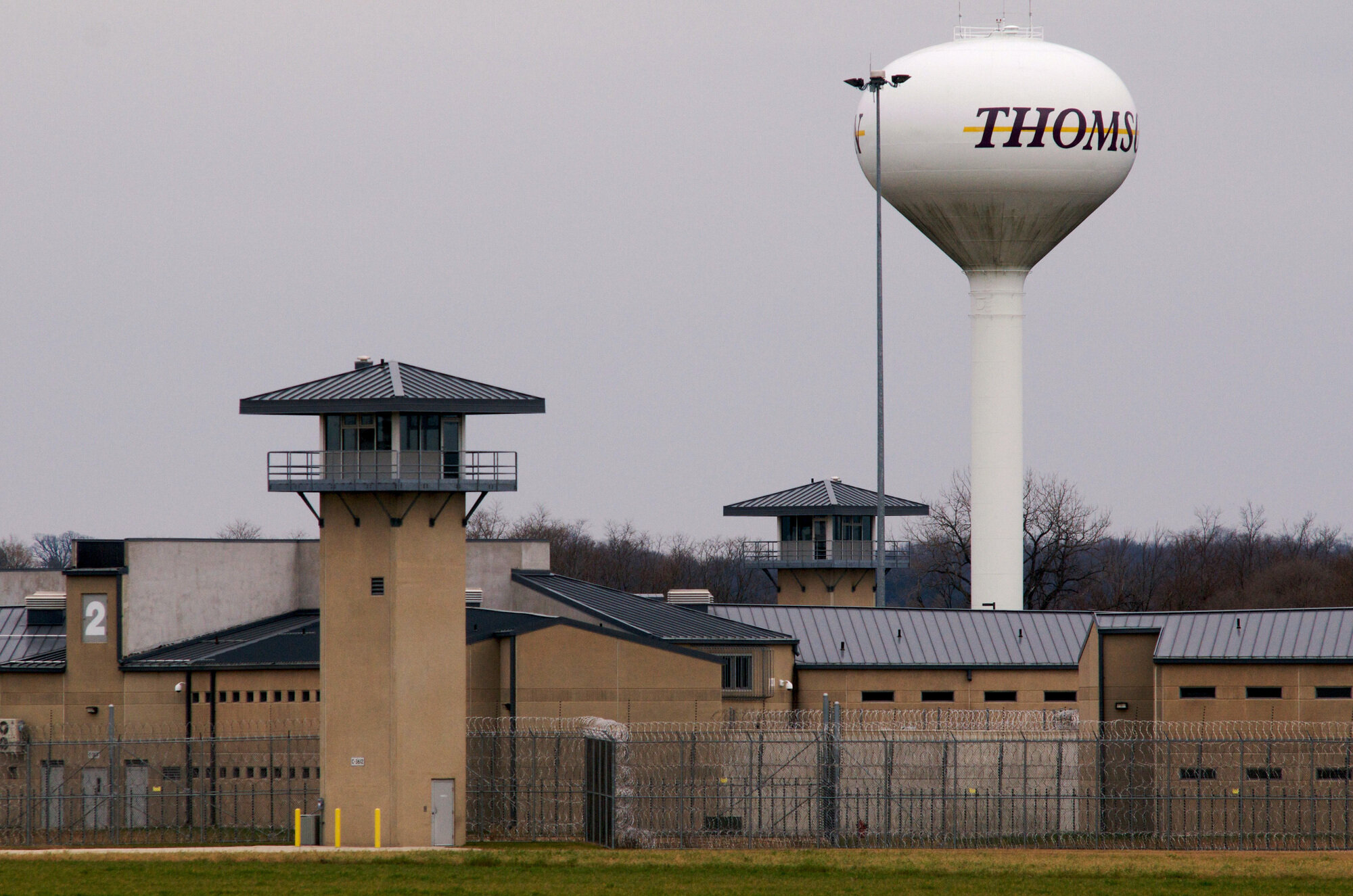
Allenwood Low - Located in Pennsylvania, Allenwood Low is a federal correctional institution that houses male offenders with sentences ranging from a few years to several decades. The facility offers various educational and vocational programs to help inmates prepare for reentry into society.
Lompoc Low - Situated in California, Lompoc Low is known for its scenic surroundings despite being a federal prison. Inmates at this low-security facility have access to outdoor recreation areas and participate in work assignments to maintain the premises.
Butner Low - Found in North Carolina, Butner Low is part of a larger federal correctional complex. This institution focuses on fostering a structured environment for inmates to engage in rehabilitative activities including substance abuse treatment and mental health services.