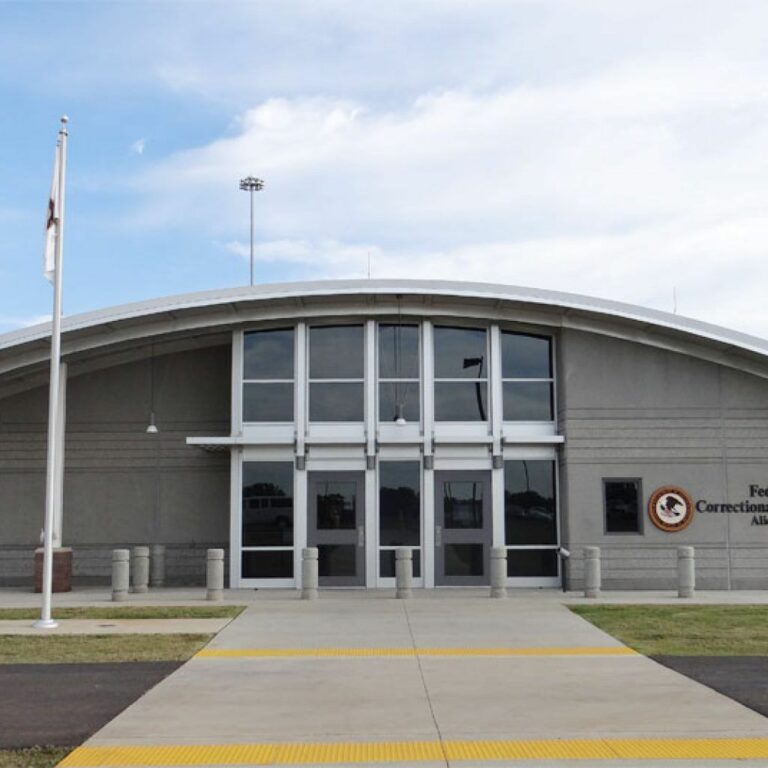
Low security Federal Correctional Institutions play a significant role in the US prison system, catering to individuals who have committed less serious offenses. These facilities offer a different environment compared to higher security prisons, with a focus on rehabilitation and preparing inmates for reintegration into society. Understanding the nature of low security prisons is crucial in comprehending the overall corrections system and the opportunities and challenges presented by these institutions.
When considering what low security federal prisons are like, it's important to note that they typically have more relaxed security measures compared to medium or high-security facilities. Inmates housed in these institutions usually have more freedom of movement within the compound and often have access to various educational and vocational programs aimed at reducing recidivism. Despite the lower security level, these facilities still maintain strict rules and regulations to ensure the safety and security of both inmates and staff.
Characteristics of Low Security Federal Correctional Institutions
Low security federal correctional institutions are characterized by their relatively relaxed atmosphere compared to higher security facilities. Inmates in low security prisons generally have more freedom of movement and may have access to outdoor recreational activities.
These facilities typically house non-violent offenders who pose a lower risk to the community. Therefore, the emphasis in low security federal prisons is often on rehabilitation and preparing inmates for a successful reintegration into society upon release.
Despite the lower security levels, these institutions still maintain strict rules and regulations to ensure order and safety. Inmates are subjected to routine searches and monitoring to prevent the smuggling of contraband items and maintain a secure environment within the prison.
Life in Low Security Prisons
In low security federal correctional institution s, inmates typically have more freedom compared to higher security facilities. They may have access to outdoor recreational activities such as sports fields and walking paths. Additionally, inmates in low security prison s often have more opportunities for educational programs and vocational training to help them prepare for reentry into society.
The living quarters in low security federal prisons are less restrictive, with some facilities allowing inmates to move more freely within designated areas during certain times. Inmates may be housed in dormitory-style rooms or shared units, and they are generally expected to maintain a level of responsibility and accountability for their own personal space and belongings.
Low security federal prisons focus on rehabilitation and reintegration, offering programs and services aimed at helping inmates address underlying issues that may have contributed to their criminal behavior. This emphasis on preparing inmates for successful reentry into society can include counseling, job readiness training, and substance abuse treatment programs.
List of Low Security Federal Prisons
In the United States, some well-known low security federal prisons include Federal Correctional Institution (FCI) Butner in North Carolina, FCI Lompoc in California, and FCI Petersburg in Virginia.
Other low security federal prisons worth mentioning are FCI El Reno in Oklahoma, FCI Forrest City in Arkansas, and FCI Tucson in Arizona.
Additionally, individuals may serve their sentences in low security federal facilities such as FCI Ray Brook in New York, FCI Jesup in Georgia, and FCI Dublin in California.